
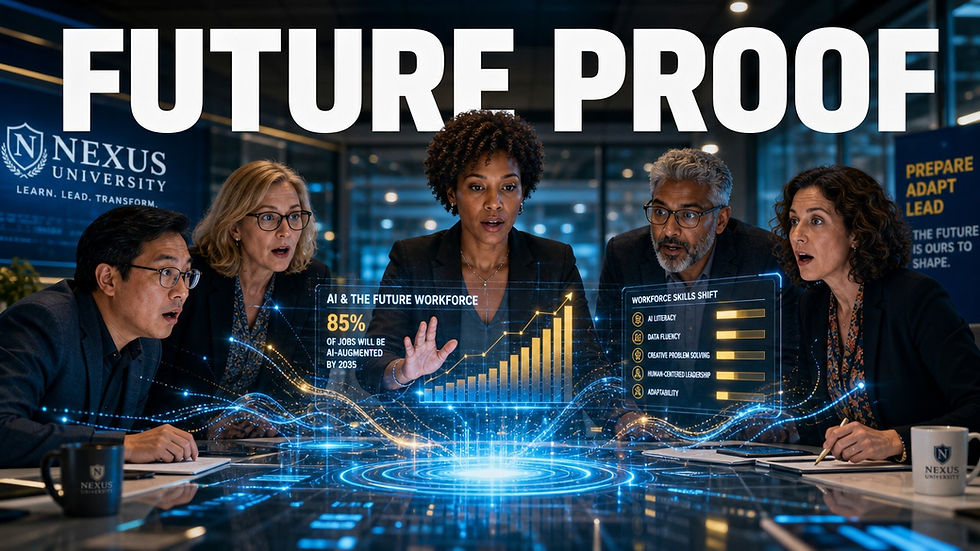
Higher education doesn't stand still, and neither should our curriculum.
One of the most effective ways to prepare students for long-term success is through regular curriculum reviews.
When programs are evaluated consistently, institutions can identify outdated content, integrate emerging technologies, and ensure graduates leave with skills that employers and society genuinely need.
Curriculum reviews aren't simply an accreditation requirement - they're an opportunity to strengthen the student experience.
They encourage faculty collaboration, invite valuable input from industry partners, and create space to incorporate evolving research, workplace expectations, and global challenges into the learning journey.
Students benefit from courses that feel relevant, engaging, and connected to real-world careers.
Employers benefit from graduates who are ready to contribute from day one. Institutions benefit from stronger outcomes, improved graduate employability, and enhanced reputation.
The question isn't whether change is happening.
It's whether our programs are changing with it.
A culture of continuous curriculum improvement demonstrates a commitment to educational excellence and student success.
Small, intentional updates made consistently often have a far greater impact than major overhauls completed once every several years.
What strategies has your institution found most effective for keeping academic programs aligned with workforce demands while maintaining strong academic foundations?
I'd love to hear what's working in your context.
#HigherEducation #CurriculumDesign #StudentSuccess #AcademicLeadership #LearningInnovation #FutureOfEducation


Comments